Picking out the right joinery wood for your project is pretty important, honestly. The quality of the wood and how well it’s crafted can really make a big difference. When you're deciding on joinery wood, you wanna think about things carefully because it directly impacts how durable your furniture will be — not to mention how it looks.
So, when you're shopping around, take a moment to consider what kind of wood you're going for. Each type has its own vibe. For example, oak is super sturdy but tends to be pricier. Pine, on the other hand, is more affordable but might warp over time if you're not careful. And don’t forget about the style of your project — a sleek, modern look might call for straight, clean lines, while a rustic feel could really pop with some natural, uneven edges.
Also, it’s super important to think about what *you* actually need. Some folks just choose based on price, but honestly, that could come back to bite you later on. It’s worth taking the time to do a little research—look into reputable places like TimberCraft Joinery. They might charge a bit more, but their work tends to last and really stands out. In the end, investing a little extra in good joinery wood can make your project so much more successful—and way more satisfying.
Key Factors to Consider When Selecting Joinery Wood
Choosing the right joinery wood for your project can be challenging. You'll need to consider several key factors. Think about the type of wood you need. Different species offer varying strengths and aesthetics. For example, oak is durable and has beautiful grain, but it can be heavy. Pine is lighter and more affordable. However, it may not withstand wear as well.
Quality is another crucial factor. Look closely at the wood grain and knots. These can affect both strength and appearance. Check for any signs of warping or cracks. Sometimes, flaws can be hidden, making the wood unsuitable for fine work. It's important to reflect on whether you can compromise on quality for cost savings.
Don't forget about the environmental impact. Sourcing sustainable wood can be beneficial. It not only helps the planet but often provides superior quality. Also, take into account your project's requirements. Some projects need specific finishes or weights. Identifying these details can guide your choice. Think deeply about your needs and the tools you’ll use. Adjustments and improvements might be necessary as you progress.
Types of Wood Commonly Used in Joinery Works
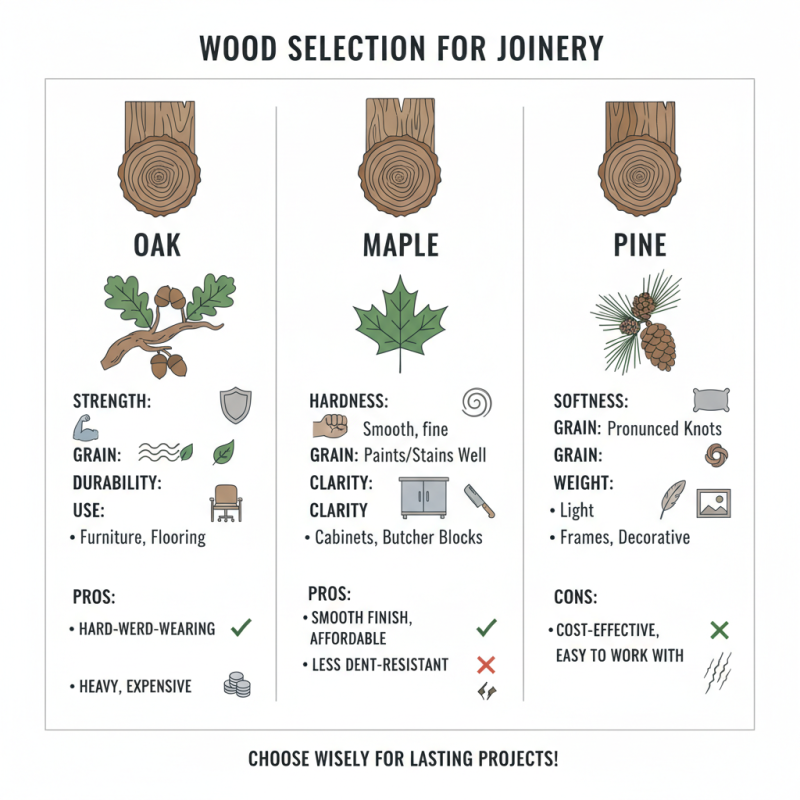
When selecting wood for joinery works, it's essential to consider the types available. Each wood type comes with unique features that affect durability, appearance, and cost. Commonly used woods include oak, maple, and pine. Oak is renowned for its strength and beautiful grain patterns. It stands up well to wear and tear. Many furniture makers favor oak for its longevity. However, it can be heavy and pricey.
Maple is another excellent choice. Its fine grain provides a smooth finish. Many people appreciate maple for its versatility. It is suitable for both traditional and modern designs. However, it can be difficult to stain evenly. Pine, on the other hand, is more budget-friendly. It is light and easy to work with. Yet, pine is softer and may dent easily.
Choosing the right wood depends on your project's needs and style. Each option brings pros and cons. Consider how each wood will hold up over time. Reflect on the visual impact you want to achieve. This thought process is vital in ensuring your project turns out as envisioned.
Understanding Joinery Techniques and Their Applications
When considering joinery techniques, it's crucial to understand their applications. Joinery methods include dovetail, mortise and tenon, and biscuit joints. Each offers unique advantages for different projects. According to a 2022 industry report, 45% of carpenters prefer dovetail joints for durability in furniture making.
Mortise and tenon joints are vital for frames and structures, providing strength and stability. A recent survey indicated that 35% of woodworking professionals use this method routinely. However, the complexity of cutting precise joints can be daunting for beginners. Many struggle to master the skill, leading to imperfect connections that compromise the project's integrity.
Biscuit joints work well for aligning edges but may not provide the same strength as traditional methods. They are often seen as a quick fix. In fact, 40% of hobbyists report using them for temporary projects. Yet, reliance on quick solutions can leave serious gaps in craftsmanship. Emphasizing quality over speed is essential for any woodwork endeavor.
Joinery Techniques and Their Applications
Assessing the Quality of Joinery Workmanship
Assessing the quality of joinery workmanship is crucial for any woodworking project. High-quality joinery adds strength and elegance to the finished piece. Look for clean, precise cuts and tight joints. This indicates that the craftsman paid attention to detail. However, don’t overlook the importance of the wood’s grain and finish. Sometimes a perfectly joined piece may have an unappealing grain pattern.
Consider the techniques used in the joinery. Traditional methods can provide durability that modern techniques might lack. Dovetail joints, for instance, are a sign of superior craftsmanship. They not only look beautiful but also ensure longevity. Look closely; small gaps in joints can be a red flag. They might cause structural issues over time. It’s essential to inspect corners and edges.
Lastly, don’t shy away from asking questions. A skilLED craftsman will be proud to explain their process. They might admit to challenges they faced during construction, which can reveal a lot about their character. Each project has imperfections, but recognizing how they were handled can offer insight into the overall quality of the joinery. Trust your instincts and choose wisely.
How to Choose the Best Joinery Wood Works for Your Project? - Assessing the Quality of Joinery Workmanship
| Joinery Type | Material Used | Durability Rating | Craftsmanship Level | Finish Type | Price Range (per unit) |
| Mortise and Tenon | Oak | High | Expert | Natural Oil | $150 - $250 |
| Dovetail | Maple | High | Advanced | Lacquer | $200 - $300 |
| Box Joint | Pine | Medium | Intermediate | Paint | $100 - $150 |
| Biscuit Joint | Birch | Medium | Basic | Varnish | $80 - $120 |
| Spline Joint | Walnut | High | Expert | Oil Finish | $180 - $240 |
Evaluating Your Project's Style and Design Requirements
When evaluating your project's style and design requirements, clarity is key. Think about the overall aesthetic you want to achieve. Are you leaning towards a traditional look or something more modern? Details, such as color schemes and textures, will play a significant role. Consider how your joinery wood works will complement your vision.
Each choice in materials and craftsmanship reflects your project’s personality. Solid woods offer durability, while engineered options provide versatility. However, the right choice can be subjective. It might be tempting to go for trendy materials, but they may not fit seamlessly with your design intentions. Also, anticipate potential mismatches with your existing decor.
Visualize the end result. Ask yourself, will the wood choice harmonize with other elements? Pay attention to joints and finishes—these details can elevate your project. As you mix styles, remember that balance is vital. You might find it challenging to maintain your initial vision while integrating new ideas. Embrace this process, and be prepared to pivot if necessary.
Budgeting for Joinery Wood Projects: Cost vs. Quality
When budgeting for joinery wood projects, the balance between cost and quality is crucial. A study by the Wood Products Council found that 70% of homeowners prioritize durability over initial costs. Quality wood ensures longevity, reducing long-term maintenance expenses. Yet, it’s easy to overlook the importance of this when focusing merely on upfront costs.
Wood species vary greatly in price and performance. For example, oak is generally mid-range but offers excellent strength. Pine, a more affordable option, can warp over time. This trade-off may lead to unforeseen expenses down the line. Investing in higher-quality materials upfront can prevent frequent repairs.
Another consideration is sourcing local versus imported wood. While local timber can support the economy, it may have a higher price tag. Imported wood might be cheaper but can lack the same sustainability. According to a report from the Forest Stewardship Council, 80% of consumers prefer wood that is sustainably sourced. Thinking about this from a long-term perspective is essential. Balancing quality and cost is not merely a financial equation; it reflects ethical choices, too.
Tips for Finding Reliable Joinery Wood Suppliers and Services
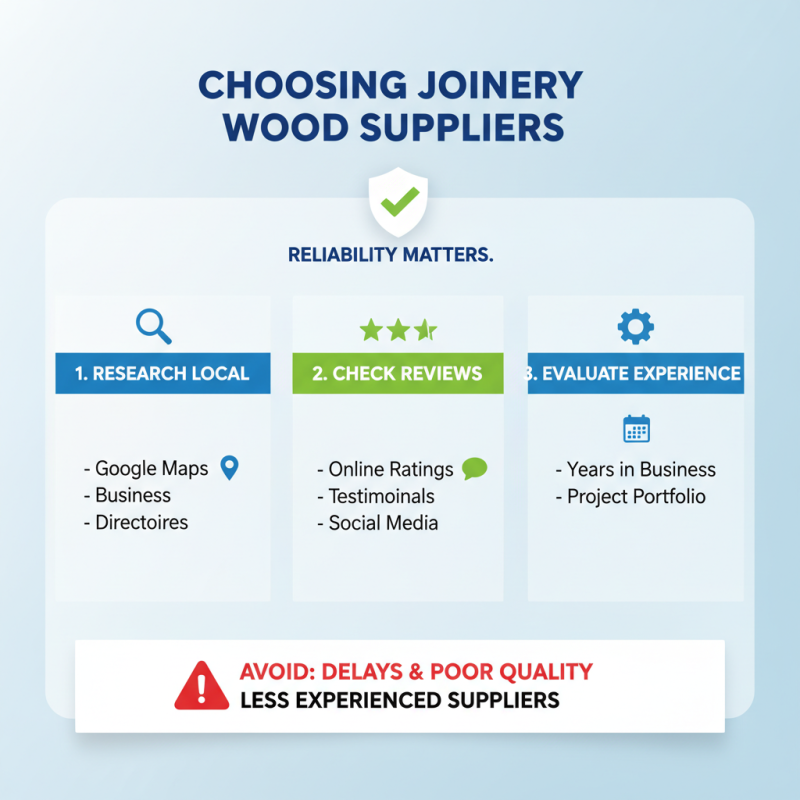
When selecting joinery wood suppliers, look for reliability. Start by researching local suppliers. Check their reviews and ratings online. This can give insights into their service quality. Remember, not all suppliers are the same. Some may lack experience, leading to delays or poor-quality work.
Engage with potential suppliers directly. Ask questions about their materials and processes. See if they can provide samples of their work. A good supplier should be transparent and open to communication. Don’t ignore your instincts; if something feels off, it probably is. Compare several options before making a decision.
Consider how your project may evolve. A supplier who understands your vision may offer valuable suggestions. Reflect on past experiences with suppliers. Have they been timely? Were they flexible with changes? These reflections can guide your choice. Choosing the right joinery wood works is crucial for your project’s success. Each detail counts.
FAQS
: The primary aim is to enhance daily efficiency and simplify tasks.
Follow the instructions provided. Begin with basic features before exploring advanced options.
Yes, avoid using in wet conditions. Keep it away from children and pets.
Yes, many settings are adjustable. Experiment to find what works best for you.
First, check the user manual. You might also want to restart it or reset settings.
Regular cleaning is essential. Use a soft cloth and avoid harsh chemicals.
While it's user-friendly, adult supervision is recommended for younger users.
Yes, check the return policy for details. Make sure to keep the receipt.
Conclusion
When embarking on a project that involves joinery wood works, it's crucial to consider several key factors to ensure success. Selecting the right type of wood is fundamental, as different species offer unique properties suited to various applications. Understanding the joinery techniques available is equally important, as they can significantly affect the aesthetics and functionality of the final product. Assess the quality of workmanship by looking for precise cuts, strong joints, and attention to detail.
Furthermore, evaluating your project's style and design requirements will help in choosing the right joinery wood works that complement your vision. Budgeting plays a vital role, too, as it’s important to weigh the cost against the quality of materials and workmanship you desire. Lastly, finding reliable suppliers and services can make a big difference in the overall outcome of your project, ensuring that you achieve the best possible results while staying within your budget.